STF’s Winter Season features sneak previews of new films such as SNOWBLIND and THE ART OF THE STEAL combined with classic revivals such as the RUNNING FENCE (1978) and DAVID HOLZMAN’S DIARY (1967). The revelations begin with two pre-season screenings of films honored on “the shortlist”, WHICH WAY HOME about child migrants traveling through Mexico on freight trains (on Jan 5); and VALENTINO: THE LAST EMPEROR, chronicling the end of an era in fashion (on Jan 11). As always at STF, the directors will be in attendance for a Q&A and the conversation continues afterward at a nearby bar.
The official 10-week Winter Season begins on Jan 12 with the Opening Night presentation of SNOWBLIND, directed by Vikram Jayanti, following its audience-pleasing premiere at the Toronto International Film Festival. Jayanti has a long and diverse documentary career with credits as co-producer of WHEN WE WERE KINGS and director of JAMES ELLROY’S FEAST OF DEATH and GAME OVER: KASPAROV AND THE MACHINE. In this new work, he follows Rachel Scdoris, a 23-year-old adventurer who competes in the grueling Iditarod dogsled race despite her handicap of being legally blind. Jayanti, who normally divides his time between London and Los Angeles, will join us to recount the incredible stories behind the making of this film.
Last Tuesday night, STF hosted a sneak-preview of Mehran Tamadon’s BASSIDJI, fresh from its premiere at the Toronto International Film Festival. Although Tamadon was unable to join us from France, Hamid Rahmanian (director of THE GLASS HOUSE and coincidentally a doppelganger for Tamadon) had spent the previous few days skyping with the French director and was able to answer all the STF audience’s questions. A very timely film, BASSIDJI explores the ideology behind the Iranian militias who cracked down on reformists this past summer.
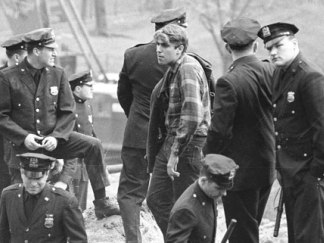
“This may sound odd, but before 2003 I could go for a year without talking about the Weather Underground,” said Mark Rudd, author of the recently published memoir UNDERGROUND, speaking at Monday night’s STF. What changed in 2003 was the release of Sam Green and Bill Siegel’s film THE WEATHER UNDERGROUND exploring the history of the 1970’s radical group whose tactics of violent confrontation left a controversial legacy. “When the film came out,” Rudd said, “I really started thinking about history. Would the Weather Underground exist in people’s memory, if this film hadn’t come out?” Siegel joined Rudd for the Q&A. The night was co-presented by Docurama as part of its 10th anniversary celebration. (Photo of Oliver Stone, Johanna Lawrenson – the widow of Abbie Hoffman, and Mark Rudd – a fortuitous sidewalk post-screening meeting on the way to 99 Below, courtesy of EJ Kaniewski / Bear)
Here in Copenhagen at the CPH:Dox Forum, I’ve been reflecting on the multiplying new initiatives in film distribution. Amidst anxiety about broadcasters’ shrinking budgets, CPH is fostering ideas for filmmakers to gain greater distribution control. Tomorrow I will moderate a conversation with the filmmaker Jon Reiss who’s sharing advice from his experiences self-distributing the graffiti doc BOMB IT. He wrote two comprehensive articles for Filmmaker Magazine on My Adventure in Theatrical Distribution and My Adventure in Home Video that became the seeds for his new book Thinking Outside the Box Office.
I don’t mean to imply we’re looking at a future without distributors. But we can expect more creative partnerships in “hybrid distribution.” Last week, a proselytizer of this future, Brian Newman – the former director of the Tribeca Film Institute – spoke to my NYU class. He made a simple statement that snapped into focus a growing sense I’ve had since the Toronto International Film Festival two months ago. Newman said that going forward, filmmakers won’t go to festivals to find a distributor, but to find an audience.
Sure, we’ll continue to see a smattering of festival sales such as ART OF THE STEAL to IFC Films/Sundance Selects at TIFF. But other filmmakers will pursue a different plan by getting distribution in place before their fest debut. By this strategy, the fest premiere – and its unique ability to generate reviews, awards and attention – can promote subsequent bookings soon after, rather than wait several months (as happens with the acquisition model). Bigger distributors are accustomed to leveraging festival exposure for releases such as CAPITALISM: A LOVE STORY and GOOD HAIR that appeared in theaters shortly after TIFF. Perhaps in the coming year, we’ll see hybrid efforts do the same with smaller companies such as Argot Pictures, International Film Circuit, and Abramorama Films.
Last night flying to Copenhagen (where I hope to blog a report from CPH:DOX), I took the time to read Mark Rudd’s excellent memoir in anticipation of him coming to STF on Monday, Nov 16 for a special screening of THE WEATHER UNDERGROUND where he’ll be joined by filmmaker Bill Siegel. Last year, I had the chance to interview Rudd at the Toronto International Film Festival in conjunction with the epic work-in-progress documentary about the 1968 Columbia University student strike A TIME TO STIR. So I knew him to be thoughtful and self-critical. His book is full of lacerating reflections such as this:






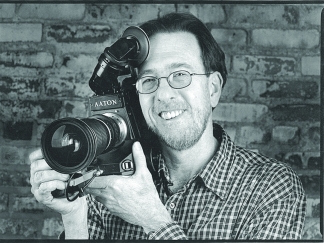 STF’s Winter Season features sneak previews of new films such as SNOWBLIND and THE ART OF THE STEAL combined with classic revivals such as the RUNNING FENCE (1978) and DAVID HOLZMAN’S DIARY (1967). The revelations begin with two pre-season screenings of films honored on “the shortlist”, WHICH WAY HOME about child migrants traveling through Mexico on freight trains (on Jan 5); and VALENTINO: THE LAST EMPEROR, chronicling the end of an era in fashion (on Jan 11). As always at STF, the directors will be in attendance for a Q&A and the conversation continues afterward at a nearby bar.
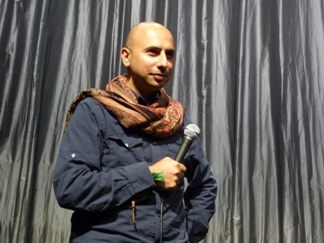 Last Tuesday night, STF hosted a sneak-preview of Mehran Tamadon’s
 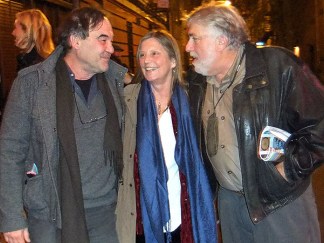 “This may sound odd, but before 2003 I could go for a year without talking about the Weather Underground,” said Mark Rudd, author of the recently published memoir
 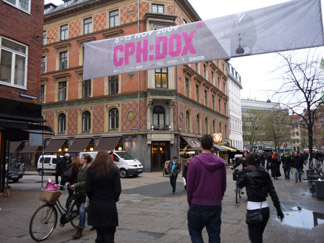 Here in Copenhagen at the CPH:Dox Forum, I’ve been reflecting on the multiplying new initiatives in film distribution. Amidst anxiety about broadcasters’ shrinking budgets, CPH is fostering ideas for filmmakers to gain greater distribution control. Tomorrow I will moderate a conversation with the filmmaker Jon Reiss who’s sharing advice from his experiences self-distributing the graffiti doc BOMB IT. He wrote two comprehensive articles for Filmmaker Magazine on
  Last night flying to Copenhagen (where I hope to blog a report from