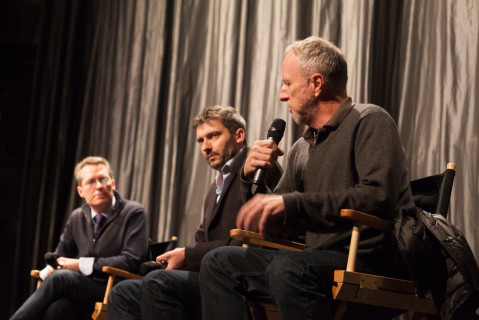
James Brabazon and Alan Huffman share their memories of Tim Hetherington after WHICH WAY IS THE FRONT LINE FROM HERE? Photo by Helena Wolfenson.
British photojournalist Tim Hetherington devoted his life to documenting war and the people most affected by it. He spent his days traveling the world and getting to know individuals and communities so that he could amplify their voices and share their experiences with the widest audience possible. Shortly after he and his collaborator, Sebastian Junger, attended the Academy Awards to represent their documentary Restrepo, Hetherington traveled to Misrata, Libya to document the ongoing civil war. While in Libya, he was killed by a mortar attack, as was fellow photographer Chris Hondros.
In the wake of this tragic loss, Junger directed Which Way is the Front Line From Here? The Life and Time of Tim Hetherington. The film contains interviews with Hetherington’s loved ones and colleagues, as well as videos and photos spanning his career. It is a tribute to Hetherington’s life and work, providing deep insight into his decisions to document war and its effects.
Which Way is the Front Line From Here? screened at STF on Tuesday. After the screening, James Brabazon, the film’s producer and a close friend of Hetherington’s, and Alan Huffman, author of Here I Am: The Story of Tim Hetherington, War Photographer, joined STF’s Thom Powers for a conversation about Hetherington’s life and legacy.
Continue reading…
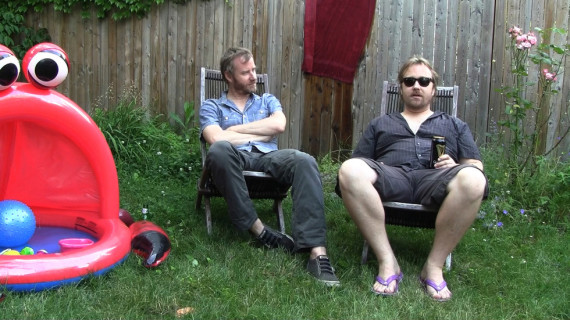
The doc Mistaken for Strangers opened this year's Tribeca Film Festival.
The 2013 edition of the Tribeca Film Festival began April 17 with a screening of the film MISTAKEN FOR STRANGERS about the rock band the National, directed by Tom Berninger. Critic Eric Kohn reviewed the film for Indiewire, giving it a letter grade of “B.” At Reuters, Chris Michaud took a look at some of the docs screening at this year’s festival. Writing for the POV blog, Tom Roston also previewed the festival’s docs, and in a separate post highlighted the films BIG FLEX and FLEX IS KINGS. Also writing for the POV blog, Liz Nord described the transmedia Storyscapes section of the festival as a “must-see.” Alex Reben’s BlabDroids project, which uses robots to make a documentary, got write-ups from both Angela Wattercutter of Wired and Samantha Murphy of Mashable.
The doc WHICH WAY IS THE FRONT LINE FROM HERE? THE LIFE AND TIME OF TIM HETHERINGTON got a fair bit of press over the last week, cadging no fewer than four interviews with director Sebastian Junger. R. Kurt Osenlund interviewed Junger for the pages of Filmmaker Magazine, while Adam Benzine spoke with him for Realscreen. Alison Willmore of Indiewire also chatted up Junger, as did Christopher Campbell at the Documentary Channel blog.
For those interested in checking out Junger’s film, Stranger Than Fiction is hosting a screening on Tuesday, April 23 at 8pm at the IFC Center in Manhattan. Following the screening, James Barbazon, a colleague of Hetherington’s, and Alan Huffman, the author of Hetherington’s biography, will be in attendance for a Q&A. You can find out more information and purchase tickets here.
Continue reading…
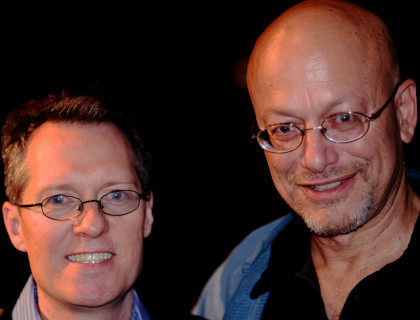
Thom Powers and Micha Peled conversed after the screening of Peled's BITTER SEEDS. Photo by Ruth Somalo.
Lately, stories about the Monsanto Protection Act have been all over the news. The provision allows for Monsanto, a major biotechnology company, to plant untested genetically modified organisms (GMOs) that could endanger the environment, even if the legal system objects. This news has created controversy among environmental and agricultural activists, and it is amidst this controversy that Micha Peled’s documentary Bitter Seeds screened as part of Stranger Than Fiction.
Bitter Seeds follows villagers in India who are encountering a significant crisis: farmers, who have seen their crops and finances destroyed by the integration of genetically modified seeds, are committing suicide in vast numbers. In an effort to uncover the reasons why the farmers are ending their lives and what can be done to stop it, a young aspiring journalist named Manjusha travels around her village, interviewing farmers and their families about their experiences. The film profiles Manjusha and her uncle, Ram Krishna, one of the farmers struggling with depression and financial issues. The personal stories of Manjusha and Ram Krishna are interspersed with interviews with Monsanto executives and environmentalists, offering a diverse array of perspectives on the controversy. At a time when stories about the actions and effects of Monsanto could not be more relevant, Bitter Seeds puts a human face on the situation.
After the screening, Peled spoke with STF’s Thom Powers about the filmmaking process and the adventures that have occurred during Bitter Seeds‘ international screening tour.
Continue reading…
The International Documentary Association has revamped its DocuWeeks screening program.
The International Documentary Association (IDA) this week announced that it was scrapping its DocuWeeks program in favor of a new Screening Series in response to recent changes in the rules regarding how doc films could qualify for an Oscar nomination. As Steve Pond of The Wrap reported, the new series will take place between September and January. The organization was still working out the details of how it would select films for the new series.
The Silverdocs Documentary Festival is also no more, having been rechristened the AFI Docs Film Festival, and will expand its screening locations from Silver Spring, Maryland, to Washington, D.C. Ann Hornaday of The Washington Post had the details.
Mike Thomas of the Chicago Sun-Times reported that the Illinois Department of Revenue had denied storied doc film production organization Kartemquin Films exemption from sales tax, based on the rationale that the organization was guilty of “making and selling propaganda DVDs.” The ruling led to some understandable head scratching by Dana Harris of Indiewire, as well as a writer at The Documentary Site.
Continue reading…
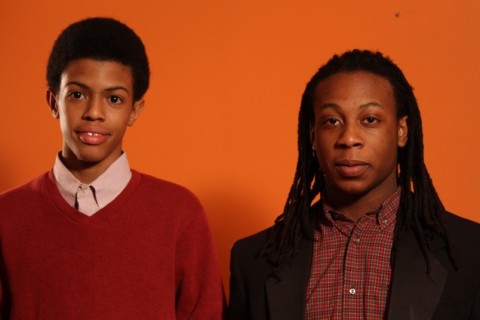
The film AMERICAN PROMISE took home top honors at this year's Full Frame festival.
The Full Frame Documentary Film Festival in Durham, North Carolina, concluded this weekend, with Glenn McDonald of the Raleigh News and Observer reporting that the grand jury award for best doc feature going to AMERICAN PROMISE by Michele Stephenson and Joe Brewster. Prior to the festival’s start, Basil Tsiokos wrote up an overview for his What (Not) to Doc bog, as did McDonald for the News and Observer. Writing for Film School Rejects, Christopher Campbell reviewed A.K.A. DOC POMUS, as well as MEDORA. And the Tribeca Film Institute published a list of five influences on Marco Williams, the director behind the film THE UNDOCUMENTED, which premiered in Durham.
This week the film community lost two valued members in film critic Roger Ebert and director Les Blank. Writing for the New York Times, Bruce Weber had an obituary for Blank, who had bladder cancer. Phil Gallo of Billboard also had an obit for Blank. You can find an interview with Blank from 2007 conducted by David Tamés for The Independent magazine.
At Realscreen, Adam Benzine penned an obit for Roger Ebert, as did Douglas Martin of the New York Times. Borys Kit of The Hollywood Reporter wrote that Steve James planned to finish his in-progress doc biopic on the highly regarded Ebert, as did Nick Venable of CinemaBlend.
Continue reading…





